









Key Takeaways
• The Federal Reserve announces its next rate decision on July 29, 2026, at 2:00 PM Eastern Time.
• The funds rate has held at 3.50%–3.75% since December 2025, but hike expectations have risen sharply.
• Nine of 18 Fed officials now project at least one more hike in 2026, versus a far more dovish outlook earlier this year.
• May's inflation print of 4.2%, increasingly driven by energy costs, is the key reason for the hawkish shift.
Markets Position for a Hawkish Hold
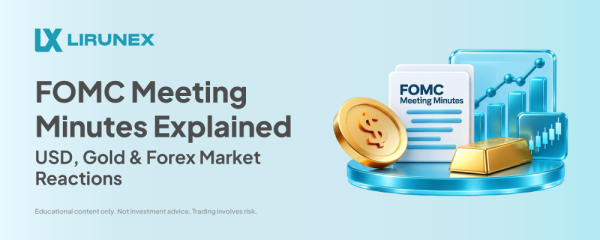
The Federal Reserve's Federal Open Market Committee meets this week, with its decision due July 29 at 2:00 PM Eastern. Consensus points to the funds rate staying at 3.50%–3.75% for a fourth straight meeting — but few expect a routine, uneventful hold. The committee's own projections show nine of eighteen officials now pencilling in at least one further hike before year-end, a marked shift from the rate-cut expectations that dominated market thinking earlier in 2026.
What Changed
The pivot traces back to inflation data. May's reading came in at 4.2%, with energy costs — tied in part to this year's Middle East supply disruptions — doing much of the work. That's put the Fed in a difficult spot: growth data has been resilient enough that officials don't need to cut, while inflation has been sticky enough that some now argue a hike is warranted to keep price pressures from becoming entrenched in core measures.
Market Reaction So Far
Currency markets have already been repricing ahead of the meeting. EUR/USD has fallen from around 1.165 in early June to roughly 1.139, with dollar strength the dominant theme of the past two months. Analysts note that if the Fed holds with a hawkish statement — flagging the risk of energy-driven inflation feeding into core prices — EUR/USD could extend toward 1.13, with GBP/USD facing similar pressure toward 1.32–1.33.
The Swing Factor to Watch
The single most important line in Wednesday's statement and press conference will likely be how the Fed characterises the inflation outlook: transitory energy pass-through, or a broader concern about core prices. A dovish surprise — acknowledging progress on inflation without flagging hike risk — would likely reverse some of the dollar's recent gains. Falling oil prices, with Brent near five-month lows around $72, could give the Fed some room to sound calmer than markets currently expect.
Frequently Asked Questions
What time is the Fed rate decision on July 29, 2026?
The Federal Reserve's announcement is scheduled for 2:00 PM Eastern Time on July 29, 2026, followed by a press conference with the Fed Chair.
Will the Fed raise interest rates in July 2026?
Most analysts expect the Fed to hold rates at 3.50%–3.75% this meeting, but with hawkish language reflecting rising internal support for a hike later in the year.
How could the Fed decision affect the US dollar?
A hold accompanied by hawkish commentary would likely extend the dollar's recent strength, while any dovish surprise could trigger a near-term dollar pullback.